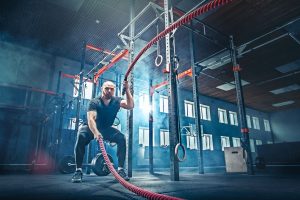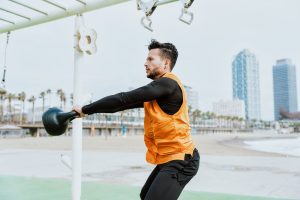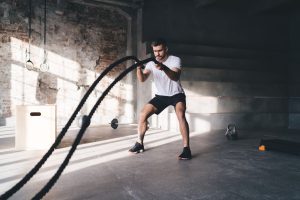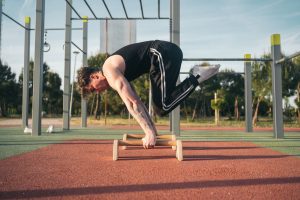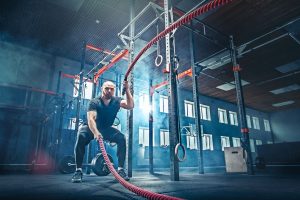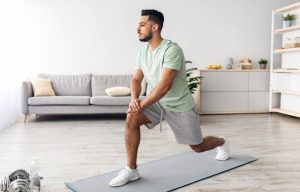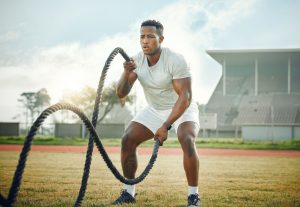

Functional training has gained immense popularity in recent years as a means to improve overall fitness by mimicking everyday movements. Unlike traditional weightlifting, which often isolates specific muscles, functional training focuses on building strength and coordination for real-life activities. Whether you’re looking to enhance your athletic performance, improve mobility, or simply stay active, having the right functional training equipment at home can make all the difference. In this article, we will explore the essential pieces of equipment needed for effective functional training, providing insights and tips to help you create a well-rounded home workout environment.
Understanding Functional Training
Before diving into the specifics of functional training equipment, it’s essential to understand what functional training entails. Functional training emphasizes exercises that prepare your body for daily activities. This includes movements like squatting, lifting, pushing, pulling, and twisting. The goal is to improve strength, balance, coordination, and endurance through exercises that replicate real-life movements.
Benefits of Functional Training
Functional training offers numerous benefits, including:
Improved strength and stability: By using multiple muscle groups in a coordinated manner, functional training enhances overall strength and stability.
Increased mobility: Functional exercises often include movements that improve flexibility and range of motion, which are critical for daily activities.
Enhanced athletic performance: Athletes can benefit from functional training by improving their ability to perform specific movements required in their sport.
Injury prevention: By strengthening the muscles and joints involved in everyday activities, functional training can help reduce the risk of injuries.
With these benefits in mind, let’s explore the essential functional training equipment you need to create an effective home workout space.
Essential Functional Training Equipment
1. Resistance Bands
Resistance bands are versatile and effective tools for functional training. They come in various resistance levels, making them suitable for all fitness levels. Resistance bands can be used to perform a wide range of exercises, including squats, lunges, rows, and shoulder presses.
Real-Life Example
Consider Sarah, a busy professional who wants to improve her strength and flexibility. She incorporates resistance bands into her home workouts, allowing her to perform a full-body routine without taking up much space. The bands are easily portable, enabling her to take her workouts outdoors or travel with them.
2. Stability Ball
Stability balls, also known as exercise balls or Swiss balls, are excellent for enhancing core strength and stability. They can be used for various exercises, including crunches, planks, and wall squats. The unstable surface of the ball forces your muscles to engage more, improving balance and coordination.
Expert Insight
Fitness trainer Mark Thompson emphasizes the importance of core strength in functional training. “A strong core supports all movements, whether you’re lifting groceries or playing sports. A stability ball is an excellent way to engage your core while performing functional exercises.”
3. Dumbbells
Dumbbells are a staple in any home gym and are incredibly versatile for functional training. They can be used for various exercises, such as lunges, deadlifts, and overhead presses. By incorporating dumbbells into your workouts, you can add resistance to your movements, enhancing strength and endurance.
Choosing the Right Dumbbells
When selecting dumbbells, consider starting with a range of weights to accommodate different exercises. Adjustable dumbbells are a great option for those with limited space, as they allow you to change the weight according to your workout needs.
4. Kettlebells
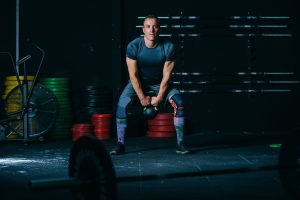
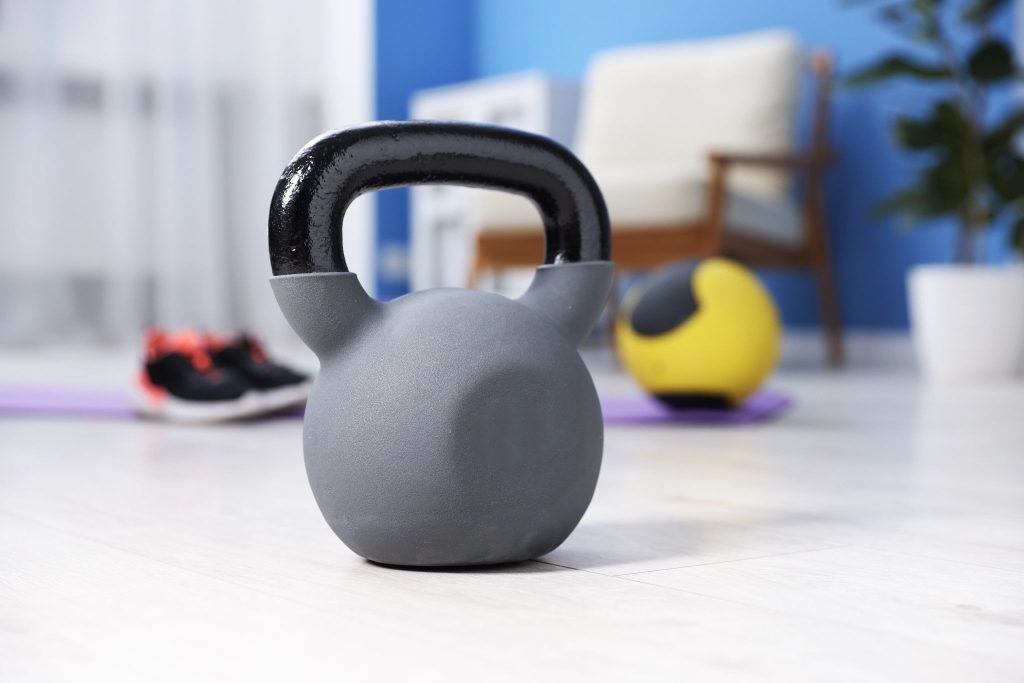
Kettlebells are another fantastic addition to your functional training equipment. They provide a unique way to train strength, flexibility, and endurance simultaneously. Kettlebell exercises, such as swings, snatches, and Turkish get-ups, engage multiple muscle groups and improve overall body coordination.
Real-Life Application
Many fitness enthusiasts, like Jake, have found kettlebells to be a game-changer for their home workouts. Jake enjoys the dynamic movements that kettlebell training offers, allowing him to build strength while also getting a great cardiovascular workout.
5. Jump Rope
A jump rope is one of the simplest yet most effective pieces of functional training equipment. It’s an excellent tool for improving cardiovascular fitness, coordination, and agility. Incorporating jump rope intervals into your workouts can enhance your endurance and overall athletic performance.
Quick Tip
For beginners, starting with a basic jump rope is ideal. As you progress, you can explore weighted jump ropes or speed ropes to add variety to your training.
6. Foam Roller
While not a traditional piece of functional training equipment, a foam roller is essential for recovery and injury prevention. Foam rolling helps alleviate muscle soreness, improve flexibility, and enhance blood circulation. Regular use of a foam roller can help you stay injury-free, allowing you to maintain a consistent training routine.
Expert Recommendation
Physical therapist Dr. Lisa Chen recommends incorporating foam rolling into your post-workout routine. “Foam rolling helps release muscle tension and improves recovery, which is crucial for anyone engaged in regular functional training.”
7. Medicine Ball
Medicine balls are versatile tools that can be used for a variety of functional exercises. They are particularly effective for building core strength and stability. You can use medicine balls for exercises like wall throws, slams, and rotational movements, making them an excellent addition to your home gym.
Example of Use
Maria, a fitness enthusiast, loves using a medicine ball for her functional training. She incorporates it into her circuit workouts, performing exercises that challenge her core and enhance her overall strength.
8. TRX Suspension Trainer
The TRX Suspension Trainer is a unique piece of equipment that allows you to leverage your body weight for resistance training. It can be anchored to a door or wall, making it easy to set up at home. TRX training engages multiple muscle groups, improving strength, stability, and flexibility.
Training Versatility
With the TRX, you can perform a wide range of exercises, including rows, push-ups, and squats. Its versatility makes it an excellent choice for functional training, as you can easily adjust the difficulty based on your fitness level.
9. Pull-Up Bar
A pull-up bar is a fantastic addition to any home gym, especially for those looking to improve upper body strength. Pull-ups and chin-ups are excellent functional movements that engage multiple muscle groups, including the back, shoulders, and arms.
Real-Life Application
Tom, an avid fitness enthusiast, has installed a pull-up bar in his garage. He integrates pull-ups into his routine, targeting his upper body while also improving grip strength.
10. Yoga Mat
While not specifically equipment for strength training, a yoga mat is essential for any home workout. It provides a comfortable surface for various exercises, including stretches, core work, and yoga. A good quality yoga mat can enhance your workout experience and prevent injuries.
Expert Insight
Yoga instructor Sarah Johnson emphasizes the importance of a proper surface for workouts. “A quality yoga mat provides cushioning and stability, making it easier to perform various functional exercises safely.”
Creating a Functional Training Space at Home
Now that you know the essential functional training equipment, it’s time to create a dedicated space for your workouts. Here are some tips to help you set up an effective home gym:
1. Designate a Workout Area
Choose a specific area in your home for training. It should be a space where you have enough room to move freely and perform exercises safely. Whether it’s a corner of your living room, a garage, or a spare room, make it your own.
2. Organize Your Equipment
Keep your functional training equipment organized and easily accessible. Use storage bins or shelves to store smaller items like resistance bands and weights. Having everything organized will help you stay motivated and make your workouts more efficient.
3. Create a Motivating Environment
Make your workout space inviting and motivating. Consider adding motivational quotes, a calendar for tracking your progress, or even a speaker for music. A positive environment can enhance your training experience and keep you consistent.
4. Incorporate Natural Light
If possible, choose a space with natural light. Sunlight can boost your mood and energy levels, making your workouts more enjoyable. If your home gym lacks natural light, consider using bright, energizing lighting.
5. Set a Schedule
Establish a regular workout schedule that fits your lifestyle. Consistency is key to achieving your fitness goals. Whether you prefer morning workouts or evening sessions, find a routine that works for you.
Getting Started with Functional Training
Now that you have your equipment and space ready, it’s time to kickstart your functional training journey. Here are some tips to help you get started:
1. Set Clear Goals
Define your fitness goals before starting your training. Whether you want to improve strength, enhance mobility, or lose weight, having clear goals will help you stay focused and motivated.
2. Start Slowly
If you’re new to functional training, start slowly and gradually increase the intensity of your workouts. Focus on mastering proper form before adding resistance or complexity to your exercises.
3. Incorporate Variety
To prevent boredom and keep progressing, incorporate variety into your workouts. Mix up your exercises, experiment with different equipment, and try new routines to challenge your body in different ways.
4. Track Your Progress
Keep a journal or use fitness apps to track your workouts and progress. Monitoring your achievements can help you stay motivated and see how far you’ve come.
5. Seek Professional Guidance
If you’re unsure about where to start or how to perform specific exercises, consider seeking guidance from a certified personal trainer. They can create a personalized training plan and ensure you’re using proper form.
Conclusion
Functional training is an effective way to improve overall fitness, enhance movement patterns, and prepare your body for everyday activities. By investing in the right functional training equipment and creating a dedicated workout space at home, you can embark on a rewarding fitness journey. Remember, the key to success lies in consistency, proper form, and listening to your body. With the right mindset and equipment, you can achieve your fitness goals and enjoy the numerous benefits of functional training.
Frequently Asked Questions
What is functional training equipment?
Functional training equipment includes tools like resistance bands, dumbbells, kettlebells, stability balls, and TRX suspension trainers that enhance strength and coordination for everyday movements.
Do I need a lot of space for functional training at home?
No, functional training can be done in small spaces. Most equipment is compact and versatile, allowing for effective workouts in limited areas.
Can beginners use functional training equipment?
Absolutely! Functional training equipment is suitable for all fitness levels. Beginners can start with lighter weights and resistance bands to learn proper form and gradually progress.