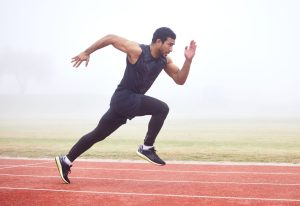

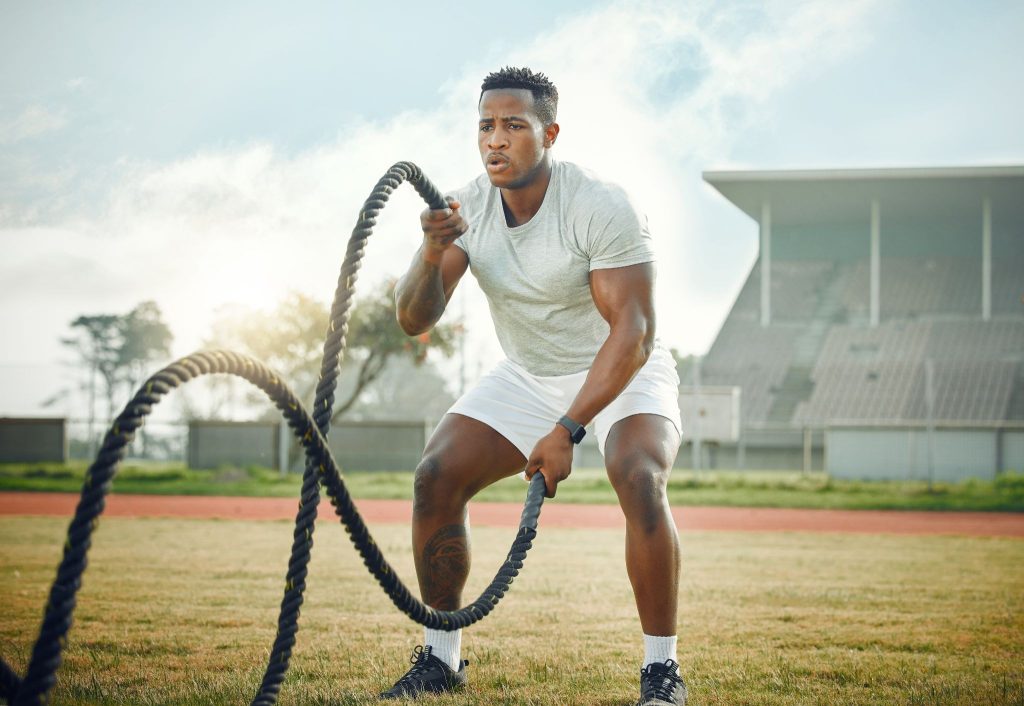
Athletic performance is no longer defined by how much weight you can lift or how long you can run in isolation. Today, performance is about how efficiently your body moves, reacts, and adapts under real conditions. This shift in perspective has brought functional training into the spotlight as one of the most effective ways to build practical, sport-ready strength.
Functional training focuses on movements rather than muscles. It trains the body as a connected system, improving coordination, stability, and control. Whether you are a professional athlete or someone looking to move better in daily life, this approach offers benefits that traditional workouts often miss.
Understanding how functional training works and why it matters can help you unlock a higher level of performance that feels natural, powerful, and sustainable.
What Functional Training Really Means in Modern Fitness
Functional training is often misunderstood as just another fitness trend. In reality, it is a scientifically grounded approach that mimics real-life movements and athletic actions.
Movement-based training vs isolated exercises
Traditional workouts often focus on isolating specific muscles. Functional training, on the other hand, emphasizes compound movements that involve multiple muscle groups working together. This approach reflects how the body naturally moves during sports and daily activities.
Building strength that translates into performance
The goal is not just to build strength but to make that strength usable. Functional training improves how your body performs tasks such as running, jumping, lifting, and changing direction quickly.
How Functional Training Enhances Athletic Performance
Functional training directly impacts key components of athletic performance, making it a powerful tool for athletes across different sports.
Improved coordination and balance
Athletes rely heavily on coordination and balance to perform effectively. Functional exercises challenge the body to stabilize and control movement, leading to better overall performance.
Enhanced strength and power output
By engaging multiple muscle groups simultaneously, functional training builds strength that can be applied in real-world scenarios. This leads to more explosive and efficient movements.
Core Stability: The Foundation of Athletic Efficiency
The core plays a central role in almost every athletic movement. Functional training places strong emphasis on core stability.
Why core strength matters
A strong core supports proper posture, reduces injury risk, and improves force transfer between the upper and lower body.
How functional training targets the core
Instead of isolated abdominal exercises, functional training integrates core engagement into full-body movements. This creates a more effective and practical form of strength.
Mobility and Flexibility as Performance Drivers
Athletic performance is not just about strength. Mobility and flexibility are equally important.
Expanding range of motion
Functional training includes dynamic movements that improve joint mobility. This allows athletes to move more freely and efficiently.
Reducing stiffness and movement limitations
Improved flexibility reduces the risk of injury and enhances overall movement quality.
Injury Prevention Through Functional Training
One of the most valuable benefits of functional training is its ability to reduce the risk of injuries.
Strengthening stabilizing muscles
Functional exercises target smaller stabilizing muscles that are often neglected in traditional workouts. These muscles play a crucial role in maintaining joint stability.
Correcting movement imbalances
By focusing on natural movement patterns, functional training helps identify and correct imbalances that could lead to injury.
Key Functional Training Movements That Improve Performance
Functional training includes a variety of movements designed to mimic real-life actions.
Essential movement patterns
Squatting for lower body strength and stability
Lunging for balance and coordination
Pushing and pulling for upper body strength
Rotational movements for agility and control
These movements form the foundation of most functional training programs.
Functional Training vs Traditional Gym Workouts
Understanding the difference between these approaches helps clarify why functional training is so effective.
Limitations of traditional training
Traditional workouts often isolate muscles, which may not translate effectively into real-world performance.
Advantages of functional training
Functional training integrates multiple systems, improving overall efficiency and coordination. This leads to better performance in sports and daily activities.
Expert Advice: How to Maximize Results with Functional Training
Experts recommend focusing on quality rather than quantity when performing functional exercises. Proper form is essential to achieve the desired benefits and avoid injury.
Another key insight is to progress gradually. Functional training challenges the body in complex ways, so it is important to build a strong foundation before increasing intensity.
Experts also emphasize consistency. Regular practice allows the body to adapt and improve over time.
Finally, personalization is crucial. A functional training program should be tailored to your specific sport, goals, and physical condition.
Common Mistakes That Limit Functional Training Benefits
Many individuals fail to see results because of avoidable mistakes.
One common mistake is treating functional training as a random set of exercises without structure. This reduces its effectiveness.
Another mistake is ignoring proper technique. Poor form can lead to injuries and limit progress.
Overtraining is also a concern. Functional training is demanding, and adequate recovery is essential for improvement.
The Mental Edge: How Functional Training Builds Confidence
Athletic performance is not only physical. Mental strength plays a significant role.
Functional training builds confidence by improving movement control and body awareness. Athletes feel more prepared and capable in their performance.
This mental edge often translates into better results during competition or physical challenges.
Adapting Functional Training for Different Athletes
Functional training is versatile and can be adapted for various sports and fitness levels.
For beginners
Focus on basic movement patterns and building foundational strength.
For advanced athletes
Incorporate sport-specific drills and higher intensity exercises to enhance performance further.
This adaptability makes functional training suitable for a wide range of individuals.
Long-Term Benefits of Functional Training
Functional training offers benefits that extend beyond immediate performance improvements.
It supports healthy aging, improves daily movement, and reduces the risk of chronic injuries.
Over time, it creates a stronger, more resilient body that can handle physical demands with ease.
FAQs
1. Can functional training improve athletic performance?
Yes, functional training enhances coordination, strength, and mobility, all of which are essential for better athletic performance.
2. Is functional training suitable for beginners?
Yes, it can be adapted to all fitness levels, starting with basic movements and progressing over time.
3. How often should I do functional training?
Most experts recommend two to four sessions per week, depending on your fitness level and goals.