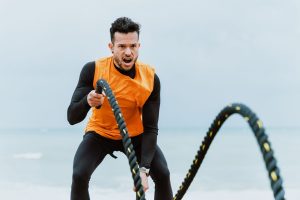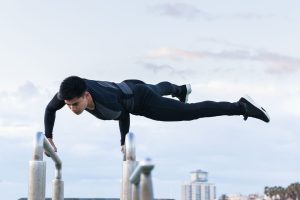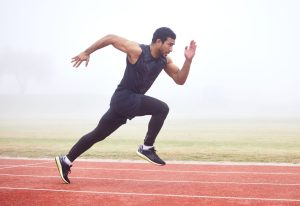

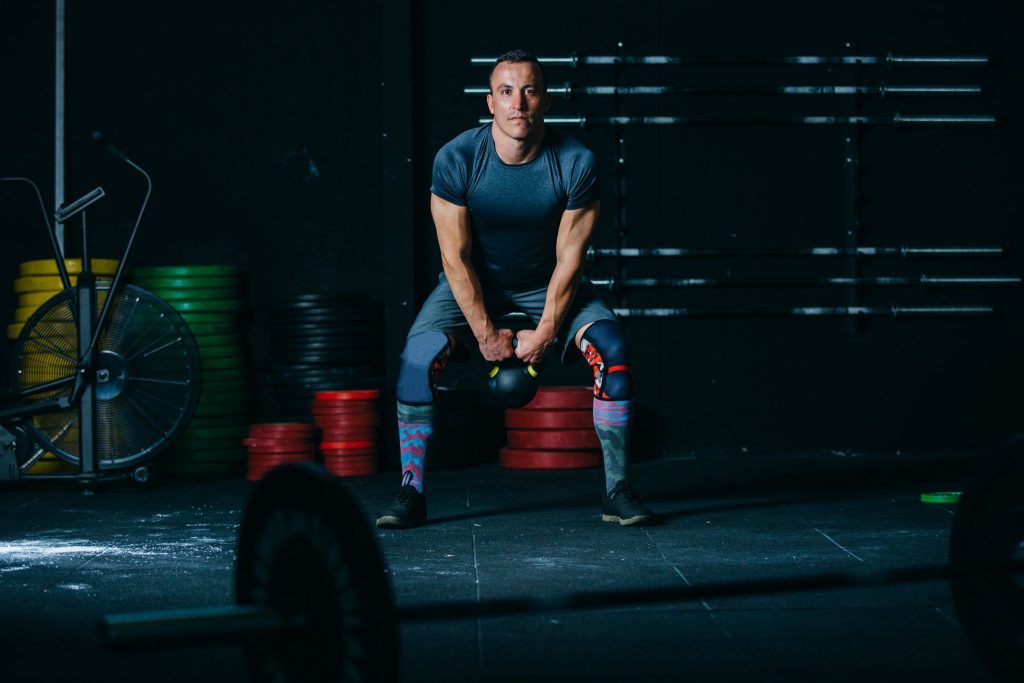
Every athlete works hard. But not every athlete works the same way. A swimmer and a sprinter might both be in peak physical condition, but their daily training looks nothing alike. That is because athletic training by sport is built around what each discipline actually demands from the body. The energy systems used, the muscles recruited, the mental focus required, and the recovery needed all vary depending on the sport. Understanding these differences is not just interesting. It helps athletes train smarter, helps coaches design better programs, and helps fans appreciate just how specific elite preparation really is.
Why Training Demands Are Never One Size Fits All
Sports place different physical and mental demands on the body, and training has to reflect that. A rugby player and a gymnast are both elite athletes, but their bodies need to do completely different things on competition day. Training programs are built backward from those demands. Coaches look at what the sport requires and design preparation around those exact needs. Copying another sport’s training model without understanding the underlying logic can slow progress or even cause injury. Athlete training by sport works because it is specific, not because it is simply hard.
Energy Systems and How They Shape Training Structure
The body runs on three main energy systems, and different sports rely on them in very different proportions. Sprint-based sports like track, cycling, and American football rely heavily on the phosphocreatine system, which delivers explosive energy in short bursts. Middle-distance events tap into the glycolytic system for intense efforts lasting up to a few minutes. Long-distance sports like marathons and triathlons depend on the aerobic system to sustain effort for hours. A sprinter training aerobically for long periods is not preparing their body for what competition actually demands. This is why even two runners can follow completely different training plans based purely on race distance.
Movement Specificity and Muscle Recruitment Patterns
The movements a sport demands shape how athletes train in the gym and on the field. A baseball pitcher trains rotational power through the hips and core because that is what generates velocity. A road cyclist builds endurance in the quads and posterior chain because those muscles drive the pedal stroke for hours. Resistance training in sport-specific programs is not random. It mirrors the mechanics of competition. Exercises are chosen because they strengthen the exact movement patterns that show up in the sport, not because they look impressive or burn calories.
Strength and Power Sports: Training Built Around Force
Athletes in strength and power sports like sprinting, weightlifting, and American football train to produce maximum force as quickly as possible. Their sessions are built around compound lifts, explosive movements, and short high-intensity efforts with longer rest periods. The goal is neuromuscular efficiency, which means training the nervous system to fire muscles harder and faster. Volume is often lower than people expect because the quality of effort matters far more than quantity. These athletes do not just train to get stronger. They train to express that strength instantly under competition pressure.
How Periodization Works in Power-Based Sports
Power athletes follow structured training cycles that build toward a performance peak at the right time. Early in a training cycle, sessions focus on building a strength base with heavier loads and moderate volume. As competition approaches, the focus shifts toward converting that strength into explosive power with faster, more dynamic movements. The final phase sharpens everything while reducing fatigue so the athlete arrives at competition fresh and at their best. Getting this cycle wrong, for example, staying in the heavy strength phase too long, means an athlete is strong but slow when it counts.
Endurance Sports: Volume, Threshold, and the Long Game
Endurance athletes operate in a completely different world. Their training is built around aerobic capacity and the ability to sustain output over long periods without fading. Cyclists, marathon runners, rowers, and triathletes log enormous volumes of training at varying intensities. A large portion of their work happens at lower intensities to build the aerobic engine. A smaller portion pushes close to or above the lactate threshold to raise the ceiling of sustainable effort. Athlete training by sport for endurance disciplines is a careful balance between building fitness and managing fatigue across weeks and months of consistent work.
Team Sports: Balancing Physical Conditioning With Tactical Demands
Team sport athletes face a challenge that individual sport athletes do not. They have to be physically prepared and tactically sharp at the same time. A soccer player needs the aerobic capacity to cover ten or more kilometers per match, the explosive speed to win sprints, and the technical ability to perform under pressure. Training has to develop all of these qualities without neglecting any of them. Time is always a constraint. Physical conditioning sessions compete for space in the schedule alongside skill work, team tactics, video review, and match preparation.
Why Position Dictates Training Load in Team Sports
Two players on the same team can follow very different physical preparation programs. A goalkeeper in soccer spends most of a match relatively still but needs explosive reaction speed and power for short bursts. A central midfielder covers more ground than almost any other player and needs exceptional aerobic conditioning. In American football, a lineman trains for maximal strength and short explosive efforts, while a wide receiver trains for speed, agility, and the ability to accelerate repeatedly. Athlete training by sport extends down to the position level in team sports, making individualization a core part of program design.
Combat and Martial Arts: Where Multiple Fitness Qualities Meet
Combat sport athletes have some of the most physically demanding preparation of any discipline. A boxer or mixed martial artist needs strength, power, aerobic endurance, anaerobic conditioning, flexibility, and sharp technical skill all at once. Their training reflects that by mixing pad work, sparring, strength sessions, conditioning circuits, and recovery work across the week. The challenge is developing all of these qualities without letting any of them fall behind. Combat athlete training by sport is genuinely one of the most complex preparation models in all of athletics.
Individual Precision Sports: Training the Mind as Much as the Body
Sports like golf, archery, gymnastics, and tennis require a different kind of preparation. Physical conditioning matters, but technical precision and mental focus are just as important. A golfer can be physically strong but still perform poorly under pressure if the mental side of their game is not trained. These athletes spend significant time on technique repetition, scenario simulation, and focus training alongside their physical work.
The Role of Mental Conditioning in Precision Sport Training
Visualization, pressure simulation, and focus training are built into daily routines for precision sport athletes. A gymnast rehearses a routine mentally before performing it physically. An archer practices breathing control and focus under artificial pressure to prepare for competition nerves. These mental skills are treated as trainable, not innate, and they are worked on with the same consistency as physical conditioning.
How Recovery Protocols Differ Across Sports
Recovery is just as sport-specific as training. Contact sport athletes deal with physical impact and need soft tissue work, ice therapy, and careful load management between sessions. Endurance athletes prioritize sleep, nutrition timing, and active recovery to manage cumulative fatigue across high-volume training weeks. Precision sport athletes often focus on mental decompression and stress management because cognitive fatigue affects performance just as much as physical fatigue does. There is no universal recovery formula.
Conclusion
Athlete training by sport is one of the most practical and fascinating areas of sports science. Every discipline demands something different, and the best training programs are the ones built specifically around those demands. Understanding why a sprinter and a marathon runner train so differently, or why a goalkeeper and a striker follow separate programs, gives you a real appreciation for how thoughtful elite preparation actually is. Whether you are a coach, an athlete, or simply someone who loves sport, knowing how training changes