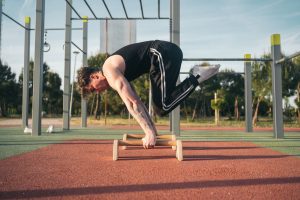


Functional training became one of the most popular approaches in modern fitness because it focuses on improving movements people use in:
- daily life
- sports
- work
- physical activity
- long-term health
Unlike isolated exercise programs that primarily target individual muscles, functional training emphasizes:
- movement patterns
- balance
- coordination
- stability
- mobility
- strength integration
This training style aims to help individuals move more efficiently and safely during real-world activities such as:
- lifting
- bending
- pushing
- pulling
- climbing
- carrying
- running
- changing direction
As fitness culture evolved, many people began prioritizing:
- mobility
- injury prevention
- sustainable strength
- athletic performance
- long-term physical health
rather than focusing only on aesthetics or bodybuilding. Functional training gained attention because it supports:
- practical movement ability
- joint stability
- muscular coordination
- body awareness
while adapting to a wide range of:
- ages
- experience levels
- athletic goals
However, one of the most common questions people ask involves how often functional training should be performed for the best results. Some individuals train:
- daily
- several times per week
- occasionally alongside other workouts
while others struggle to balance:
- recovery
- consistency
- intensity
- scheduling
The ideal frequency depends heavily on:
- fitness goals
- recovery capacity
- age
- training intensity
- experience level
- lifestyle
- physical condition
Functional training can include many exercise styles such as:
- bodyweight movement
- resistance training
- balance exercises
- mobility work
- kettlebell routines
- core stability drills
- athletic conditioning
Because of this variety, training frequency recommendations differ depending on:
- workout structure
- physical demands
- individual adaptation
Professional athletes may perform functional movement training nearly every day as part of:
- sports conditioning
- mobility preparation
- injury prevention
while beginners may benefit more from:
- moderate frequency
- gradual progression
- increased recovery time
Recovery is especially important because functional training often activates:
- multiple muscle groups
- stabilizing muscles
- connective tissues
- nervous system coordination
Overtraining without sufficient recovery may increase:
- fatigue
- soreness
- injury risk
- performance decline
At the same time, insufficient training frequency may limit:
- strength adaptation
- mobility improvement
- endurance gains
- movement efficiency
Modern fitness science increasingly emphasizes consistency rather than extreme intensity. Sustainable training routines generally produce better long-term outcomes than:
- inconsistent high-intensity workouts
- excessive exercise volume
- burnout-driven fitness habits
Technology also influenced functional fitness culture significantly. Online platforms such as YouTube and fitness ecosystems from companies such as Nike helped popularize:
- home workouts
- mobility training
- athletic conditioning
- bodyweight exercise programs
Many people now integrate functional training into:
- gym routines
- rehabilitation programs
- sports preparation
- remote fitness coaching
Functional training is also commonly used in:
- physical therapy
- injury recovery
- aging support
- workplace wellness
because it improves movement quality and joint support.
Another important factor involves individual goals. Someone training for:
- athletic performance
- fat loss
- flexibility
- rehabilitation
- general wellness
may require different training frequencies and recovery strategies.
Lifestyle factors matter as well. Sleep quality, stress levels, nutrition, and work demands strongly affect:
- recovery ability
- energy levels
- workout performance
Functional training should therefore be adjusted according to overall physical and mental recovery capacity.
Importantly, more training is not always better. Excessive exercise without proper recovery may reduce:
- mobility
- coordination
- motivation
- long-term progress
Balanced training schedules often produce safer and more sustainable results.
Understanding how often you should do functional training for best results therefore involves more than selecting random workout schedules. It includes understanding:
- exercise science
- recovery
- movement quality
- fitness adaptation
- injury prevention
- sustainable consistency
In this comprehensive guide, you will explore how functional training frequency affects physical results, learn how recovery influences performance, and understand how different fitness goals require different training approaches and schedules.
What Is Functional Training?
Functional training focuses on exercises that improve real-world movement patterns.
Instead of isolating individual muscles only, functional workouts emphasize:
- coordination
- balance
- mobility
- stability
- integrated strength
Exercises often simulate movements used in:
- sports
- work
- daily activities
Functional training may include:
- squats
- lunges
- carries
- rotational movements
- pushing exercises
- pulling exercises
The goal is improving overall movement efficiency and physical capability.
Why Training Frequency Matters
Workout frequency affects:
- recovery
- adaptation
- strength development
- endurance
- mobility improvement
Too little training may slow progress, while excessive training can increase:
- fatigue
- soreness
- injury risk
- burnout
Finding the right balance helps individuals improve consistently without overwhelming the body.
General Functional Training Recommendations
For most people, functional training works well:
- two to five times weekly
depending on:
- intensity
- fitness level
- recovery
- goals
Beginners often benefit from:
- two or three sessions weekly
while experienced athletes may train more frequently with structured recovery.
Consistency usually matters more than extreme intensity.
Functional Training for Beginners
Beginners should start gradually because functional exercises challenge:
- coordination
- stability
- multiple muscle groups
Training:
- two or three times weekly
often provides enough stimulus for improvement while allowing proper recovery.
Starting too aggressively may increase:
- soreness
- fatigue
- injury risk
especially for individuals new to exercise.
Recovery and Muscle Adaptation
Recovery is essential because the body improves during rest periods.
Functional training stresses:
- muscles
- joints
- connective tissue
- nervous system coordination
Without recovery, performance may decline.
Signs of inadequate recovery may include:
- constant fatigue
- soreness
- poor sleep
- reduced motivation
- weaker performance
Balanced recovery supports:
- strength gains
- mobility improvement
- injury prevention
Daily Functional Training
Some individuals perform functional movement exercises daily.
This can work if sessions vary in:
- intensity
- duration
- exercise type
Light mobility or movement sessions may support:
- flexibility
- circulation
- recovery
However, high-intensity daily training without rest often increases overtraining risk.
Functional Training for Strength Goals
People using functional training for strength development often benefit from:
- three or four weekly sessions
Strength-focused training may involve:
- resistance exercises
- loaded carries
- compound lifts
- explosive movement patterns
Adequate rest between heavy sessions improves:
- muscle recovery
- nervous system adaptation
- long-term progress
Functional Training for Weight Loss
Functional workouts can support fat loss because they often combine:
- strength
- cardio
- mobility
- high-energy movement
People pursuing weight loss may train:
- three to five times weekly
depending on:
- recovery
- calorie intake
- overall fitness level
Consistency and nutrition remain extremely important for sustainable fat loss.
Athletic Performance and Functional Training
Athletes frequently use functional training to improve:
- agility
- coordination
- balance
- explosive power
- injury resistance
Professional athletes may integrate movement training nearly daily through:
- mobility work
- conditioning
- sports drills
- recovery sessions
However, elite training programs are usually highly structured.
Mobility and Flexibility Training
Mobility-focused functional training can often be performed more frequently because it generally creates less muscular stress.
Mobility sessions may include:
- stretching
- joint movement
- controlled bodyweight exercises
- stability drills
Regular mobility work improves:
- range of motion
- posture
- movement quality
Functional Training and Aging
Functional training is especially valuable for older adults because it supports:
- balance
- coordination
- joint stability
- fall prevention
Older individuals may benefit from:
- moderate frequency
- lower intensity
- consistent movement practice
Recovery needs often increase with age.
Overtraining Risks
Too much functional training without proper recovery may increase:
- inflammation
- fatigue
- injury risk
- performance decline
Overtraining symptoms may include:
- poor motivation
- persistent soreness
- sleep problems
- reduced coordination
Rest remains essential for long-term fitness progress.
Functional Training and Injury Prevention
Functional exercise helps improve:
- stability
- movement mechanics
- muscular balance
This may reduce injury risk during:
- sports
- daily movement
- physical labor
However, poor technique or excessive frequency may increase injury likelihood.
Importance of Exercise Variety
Functional training includes many exercise styles.
Balanced routines may combine:
- strength
- mobility
- endurance
- balance
- coordination
Variety helps prevent:
- repetitive stress
- mental boredom
- training plateaus
while supporting overall fitness development.
Home Functional Training
Many people perform functional workouts at home using:
- bodyweight exercises
- resistance bands
- kettlebells
- minimal equipment
Platforms such as YouTube increased access to home training programs significantly.
Home training frequency depends on:
- workout intensity
- available recovery
- exercise quality
Functional Training and Sportswear Technology
Modern fitness culture increasingly integrates movement-based training with products from companies such as Nike.
Athletic footwear and training equipment are often designed to support:
- movement stability
- mobility
- performance
Proper equipment may improve comfort and safety during workouts.
Nervous System Recovery
Functional training challenges not only muscles but also:
- coordination
- reaction timing
- nervous system efficiency
High-intensity training may require additional recovery for:
- focus
- balance
- motor control
Mental fatigue sometimes accompanies intense physical training.
Listening to Your Body
Individual recovery ability varies significantly.
Factors affecting recovery include:
- sleep
- stress
- nutrition
- age
- hydration
- work demands
Listening to physical feedback helps prevent:
- burnout
- overtraining
- chronic soreness
Adjusting frequency according to energy and recovery often improves sustainability.
Combining Functional Training With Other Exercise
Many people combine functional training with:
- running
- bodybuilding
- sports
- yoga
- cycling
Workout schedules should balance:
- recovery
- movement quality
- physical stress
Excessive overlap between demanding activities may increase fatigue.
Rest Days and Active Recovery
Rest days do not always require complete inactivity.
Active recovery may include:
- walking
- stretching
- mobility drills
- light movement
These activities support:
- circulation
- flexibility
- recovery
without excessive physical stress.
Functional Training for Rehabilitation
Physical therapists often use functional exercises during rehabilitation programs.
Rehabilitation-focused training improves:
- movement control
- joint stability
- muscular coordination
Injury recovery programs usually require carefully controlled frequency and progression.
Intensity Matters More Than Frequency Alone
Training intensity strongly affects how often workouts should occur.
High-intensity sessions require more recovery than:
- light mobility work
- moderate movement practice
Two intense sessions may create more fatigue than five lighter sessions.
Balanced programming is essential.
Psychological Benefits of Functional Training
Functional exercise may improve:
- confidence
- mood
- body awareness
- stress management
Consistent movement often supports mental well-being alongside physical fitness.
Sustainable routines generally improve motivation more effectively than extreme training habits.
Long-Term Consistency
The best training frequency is often the one individuals can maintain consistently.
Extreme schedules frequently lead to:
- burnout
- inconsistency
- injury
Long-term progress usually depends on:
- sustainable habits
- balanced recovery
- gradual improvement
rather than short bursts of excessive training.
Why Individualization Matters
No single frequency works perfectly for everyone.
Optimal training schedules depend on:
- goals
- experience
- recovery ability
- physical condition
- lifestyle
Personalized training plans often produce the best long-term outcomes.
Conclusion
Functional training became highly popular because it improves:
- movement quality
- coordination
- balance
- strength
- mobility
- real-world physical performance
Unlike isolated exercise programs, functional training emphasizes integrated movement patterns that support:
- sports
- daily activity
- long-term health
- injury prevention
The ideal training frequency depends on many factors including:
- fitness goals
- recovery ability
- age
- workout intensity
- lifestyle
- physical condition
For most individuals, functional training:
- two to five times weekly
provides effective results while allowing adequate recovery.
Beginners usually benefit from:
- moderate frequency
- gradual progression
- consistent movement practice
while athletes and advanced trainees may train more frequently with carefully structured recovery systems.
Recovery remains essential because functional training challenges:
- muscles
- joints
- stabilizing tissues
- nervous system coordination
Too much training without sufficient rest may increase:
- fatigue
- soreness
- injury risk
- burnout
while insufficient training may slow:
- strength development
- mobility improvement
- endurance gains
Modern fitness culture, including online platforms such as YouTube and athletic brands such as Nike, helped expand access to movement-based training programs for people of many fitness levels.
Importantly, consistency matters more than extreme intensity or unrealistic schedules. Sustainable routines that balance:
- exercise
- recovery
- mobility
- progression
usually create the best long-term physical and mental results.
Ultimately, the best functional training frequency is the one that supports:
- movement quality
- recovery
- safety
- motivation
- long-term consistency
while helping individuals improve physical performance and overall well-being gradually and sustainably over time.