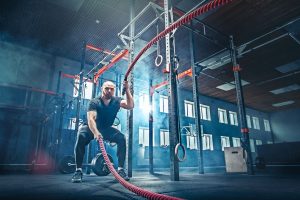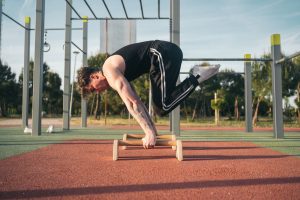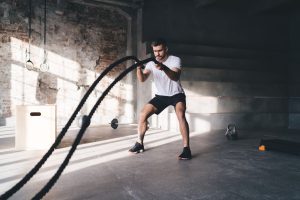


Calisthenics is no longer just a street workout trend. It is a powerful approach to building muscle using only your bodyweight. Unlike traditional weight training, calisthenics focuses on natural movement patterns and functional strength. With the right routine, anyone can enhance muscle tone, endurance, and overall fitness. This method is not about fancy equipment or expensive gym memberships. It is about learning how your body works and gradually challenging it to grow stronger. For those who want a sustainable path to muscle development, understanding how calisthenics muscle building works is the first step toward real progress.
Understanding Calisthenics
Calisthenics is a form of exercise that relies on your own bodyweight to improve strength, flexibility, and coordination. It encompasses a wide variety of movements, from push-ups and pull-ups to squats and planks. The appeal of calisthenics is its accessibility. You can perform it anywhere, from your living room to a local park, and it challenges multiple muscle groups simultaneously. Over time, calisthenics helps improve posture, balance, and functional fitness. It emphasizes control and mastery of movement, rather than simply lifting heavier weights. This makes it a perfect choice for anyone serious about calisthenics muscle building, and overall body transformation.
Bodyweight Training Principles
The key principles of calisthenics include progressive overload, full range of motion, and proper form. Progressive overload means gradually increasing the difficulty of your exercises to challenge your muscles. For example, moving from standard push-ups to elevated or one-arm variations forces your muscles to adapt. A full range of motion ensures every fiber in a muscle is engaged, leading to balanced strength. Proper form protects joints and prevents injuries, which is crucial for consistent progress. Understanding these principles is essential for anyone aiming for effective calisthenics muscle building.
How Calisthenics Builds Muscle
Muscle growth in calisthenics happens through tension and adaptation. When you perform exercises like pull-ups, dips, or squats, your muscles experience stress. This stress causes microscopic tears in muscle fibers, which then repair stronger than before. This process, combined with consistent training and proper recovery, leads to visible muscle growth. Unlike machines that isolate muscles, calisthenics engages multiple muscle groups at once. This increases the intensity and efficiency of your workouts, making calisthenics muscle building both functional and aesthetic.
Role of Progressive Overload
Progressive overload is central to calisthenics muscle building. By increasing repetitions, adjusting leverage, or adding holds and pauses, you continuously challenge your muscles. For instance, once standard push-ups feel easy, transitioning to decline push-ups or adding weighted vests provides a new stimulus. Pull-ups can evolve into wide-grip or archer variations to target muscles differently. This continuous challenge is what drives the body to adapt and grow, ensuring steady progress over time.
Muscle Engagement in Different Exercises
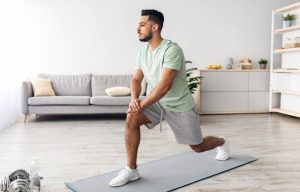
Calisthenics allows precise targeting of muscle groups through specific exercises. Push-ups and dips primarily work the chest, shoulders, and triceps. Pull-ups and chin-ups engage the back, biceps, and forearms. Squats, lunges, and pistol squats develop lower body strength, targeting quadriceps, hamstrings, and glutes. Core exercises like planks, hollow holds, and leg raises strengthen the abdominal and lower back muscles. By varying exercises and difficulty, calisthenics muscle building ensures every major muscle is developed for strength, endurance, and aesthetics.
Benefits of Calisthenics for Muscle Growth
Calisthenics offers more than just bigger muscles. It improves flexibility, balance, and mobility, which are often neglected in traditional weight training. Functional strength gained through calisthenics enhances everyday movements and athletic performance. The risk of joint strain and injury is lower because exercises rely on natural body mechanics. Calisthenics also fosters mental toughness, as mastering difficult movements requires focus and consistency. For anyone aiming for sustainable strength, calisthenics muscle building provides a comprehensive approach that blends aesthetics with function, making it a superior choice for long-term fitness.
Designing an Effective Calisthenics Muscle Building Routine
To see results in calisthenics muscle building, structure is key. Start by identifying your goals and current fitness level. Beginners should focus on foundational movements like push-ups, bodyweight rows, squats, planks, and dips. Incorporate exercises for all major muscle groups to ensure balanced development. Perform three to four sets of each exercise, aiming for 8 to 15 repetitions, depending on your strength. Rest between sets to allow for recovery, and gradually increase difficulty as your strength improves. Consistency, variety, and progression are the pillars of an effective calisthenics muscle building routine.
Sample Beginner Routine
A simple routine for beginners could include push-ups, assisted pull-ups, bodyweight squats, planks, and tricep dips. Perform each exercise for three sets of ten to fifteen reps. This approach ensures that all major muscles are engaged without overwhelming the body. Gradually, as strength improves, you can replace assisted pull-ups with full pull-ups or introduce elevated push-ups. This method allows safe and steady progress while reinforcing proper form, which is crucial for effective calisthenics muscle building.
Sample Intermediate to Advanced Routine
Intermediate and advanced practitioners can challenge themselves with variations such as one-arm push-ups, muscle-ups, pistol squats, L-sits, and handstand push-ups. These movements require higher strength, coordination, and control. Incorporate holds, slow repetitions, and additional volume to maintain progressive overload. For example, a muscle-up combines pull-ups and dips, engaging multiple muscle groups simultaneously. Pistol squats enhance single-leg strength, while core stability is challenged through L-sits. This level of training accelerates calisthenics muscle building and improves overall body control and aesthetics.
Common Mistakes to Avoid
Several mistakes can hinder progress in calisthenics muscle building. Neglecting form is the most common and leads to injuries or uneven development. Skipping warm-ups reduces performance and increases strain on joints. Some practitioners rely on high repetitions without increasing difficulty, which limits strength gains. Others focus too heavily on upper body exercises, ignoring legs and core, leading to imbalance. Consistency, proper progression, and balanced routines are essential to maximize muscle growth and minimize setbacks. Recognizing and correcting these mistakes ensures safe and effective calisthenics muscle building.
Conclusion
Calisthenics muscle building offers a natural and effective way to grow strength, tone muscles, and improve overall fitness. Its focus on bodyweight movements promotes functional strength, flexibility, and endurance. By applying principles such as progressive overload and proper form, anyone can achieve visible muscle growth without relying on equipment or machines. Structured routines targeting all major muscle groups, gradual progression, and consistency are essential for sustainable results. Whether you are a beginner or advanced practitioner, calisthenics provides a versatile and challenging pathway for building strong, lean, and functional muscles naturally.
FAQs
1. What is calisthenics muscle building, and how does it differ from weightlifting
Calisthenics muscle building uses bodyweight for strength, focusing on natural movements and functional muscle rather than isolated weight exercises.
2. How long does it take to see results with calisthenics for muscle growth?
With consistent training and proper progression, noticeable results can appear within six to twelve weeks, depending on intensity and frequency.
3. Can calisthenics build muscle for beginners as effectively as gym workouts?
Yes, beginners can achieve significant muscle growth through bodyweight exercises, especially when progressive overload and a full range of motion are applied.
4. Do I need any equipment to start calisthenics muscle building?
Minimal equipment is needed; a pull-up bar and resistance bands can enhance workouts, but most exercises rely solely on your bodyweight.
5. How often should I train calisthenics to maximize muscle gains?
Training three to five times per week with proper rest days and gradual progression is ideal for effective calisthenics muscle building.