

In today’s fast-paced world, physical health is no longer just about looking fit, it’s about moving well, staying pain-free, and preventing injuries that can disrupt daily life. While traditional workouts often focus on building muscle or improving endurance, they don’t always prepare the body for the movements we perform every day.
This is where functional training becomes essential.
Functional training is designed to train the body for real-world activities. It emphasizes natural movement patterns such as bending, lifting, twisting, pushing, pulling, and stabilizing. These movements are part of everyday life, whether you’re carrying groceries, climbing stairs, or even sitting and standing.
In 2026, functional training has become one of the most recommended approaches for injury prevention. Why? Because most injuries don’t happen during extreme activities, they occur during routine tasks due to poor movement mechanics, weak muscles, or lack of coordination.
By strengthening the body in a way that mirrors real-life demands, functional training reduces the risk of injury, improves overall performance, and enhances long-term physical health.
What Is Functional Training? A Deeper Understanding
Functional training is not just a type of workout, it is a philosophy of movement. Instead of isolating muscles, it focuses on how the body works as a complete system.
Core Principles of Functional Training
Training movements, not just muscles
Engaging multiple joints and muscle groups
Improving coordination and balance
Enhancing strength in real-life contexts
Examples of Functional Movements
Squatting (sitting and standing)
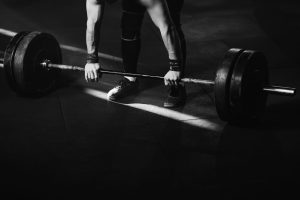
Deadlifting (lifting objects from the ground)
Lunging (walking and stepping)
Pushing and pulling (doors, carts, weights)
Rotating (turning, reaching, twisting)
These exercises mimic everyday actions, making them highly effective for injury prevention.
The Science Behind Injury Prevention
To understand why functional training works, we need to examine how injuries occur.
Common Causes of Injuries
Poor movement patterns
Weak stabilizing muscles
Muscle imbalances
Limited joint mobility
Lack of neuromuscular coordination
Repetitive strain and overuse
Traditional workouts often isolate muscles (like bicep curls or leg extensions), which can neglect the body’s natural movement patterns. Over time, this leads to imbalances and inefficient movement, increasing the risk of injury.
Functional training addresses these issues by training the body as an integrated system.
Improving Movement Efficiency and Biomechanics
Movement efficiency refers to how smoothly and effectively the body performs physical tasks.
Why Efficient Movement Matters
When movement is inefficient:
Joints experience unnecessary stress
Muscles compensate incorrectly
Energy is wasted
Injury risk increases
How Functional Training Helps
Functional training improves biomechanics by:
Teaching proper movement patterns
Strengthening muscles in coordination
Reducing unnecessary strain
For example, learning how to squat properly reduces pressure on the knees and lower back, preventing injuries over time.
The Critical Role of Core Stability
The core is often misunderstood as just the abdominal muscles. In reality, it includes:
Abdominals
Lower back
Hips
Pelvis
Why Core Stability Is Essential
The core acts as the body’s central support system. Every movement, whether lifting, running, or twisting—relies on core stability.
A weak core can lead to:
Lower back pain
Poor posture
Reduced balance
Increased injury risk
Functional Training Advantage
Functional exercises naturally engage the core, improving strength and stability without the need for isolated exercises.
Correcting Muscle Imbalances
Muscle imbalances occur when certain muscles are stronger or tighter than others.
Examples of Imbalances
Strong chest, weak back (leading to poor posture)
Tight hip flexors, weak glutes
Dominant quadriceps, weak hamstrings
Why Imbalances Cause Injuries
Imbalances force the body to compensate, placing extra stress on joints and muscles.
Functional Training Solution
Functional training promotes balanced development by engaging multiple muscle groups simultaneously, restoring proper alignment and reducing injury risk.
Enhancing Mobility and Flexibility
Mobility and flexibility are essential for safe and effective movement.
Mobility vs Flexibility
Flexibility: Muscle length
Mobility: Joint movement capability
Why They Matter
Limited mobility can cause:
Restricted movement
Increased strain
Higher injury risk
Functional Training Benefits
Functional exercises improve both mobility and flexibility by:
Encouraging full range of motion
Reducing stiffness
Enhancing joint health
Improving Balance and Coordination
Balance and coordination are crucial for preventing falls and injuries.
Why Balance Matters
Poor balance can lead to:
Falls
Joint injuries
Reduced performance
Functional Training Approach
Exercises such as single-leg movements and stability drills enhance:
Body control
Reaction time
Coordination
This makes movements safer and more controlled.
Strengthening Stabilizer Muscles
Stabilizer muscles are responsible for maintaining joint stability.
Importance of Stabilizers
Weak stabilizers can lead to:
Joint instability
Increased injury risk
Poor movement mechanics
Functional Training Benefits
Functional exercises activate stabilizer muscles, strengthening them and improving joint protection.
Preventing Overuse Injuries
Overuse injuries are common in repetitive activities.
Examples
Tendonitis
Stress injuries
Muscle fatigue
How Functional Training Helps
Promotes varied movement patterns
Distributes workload across muscles
Reduces repetitive strain
Supporting Everyday Activities
Functional training directly improves daily life.
Examples
Lifting heavy objects safely
Climbing stairs efficiently
Carrying loads without strain
By training these movements, the body becomes more resilient.
Benefits for Athletes and Active Individuals
Athletes benefit greatly from functional training.
Advantages
Improved performance
Faster reaction time
Reduced injury risk
Functional training enhances sport-specific movements.
Neuromuscular Coordination and Brain-Body Connection
Functional training strengthens the connection between the brain and muscles.
Benefits
Better control of movements
Faster response times
Improved technique
This reduces the likelihood of improper movement and injury.
Long-Term Health and Injury Prevention
Functional training supports long-term health by:
Maintaining joint health
Reducing chronic pain
Improving posture
Enhancing mobility
It is especially beneficial as we age.
How to Incorporate Functional Training
Beginner Approach
Start with bodyweight exercises
Focus on form
Train consistently
Advanced Approach
Add resistance
Combine movements
Increase intensity
Common Mistakes to Avoid
Ignoring proper technique
Overtraining
Skipping warm-ups
Using excessive weight
FAQs
1. What makes functional training different from traditional workouts?
Functional training focuses on real-life movements rather than isolating individual muscles. It improves strength, balance, coordination, and mobility simultaneously, making it more practical for everyday activities. Traditional workouts often target specific muscles, which can create imbalances. Functional training ensures the body works as a complete system, reducing injury risk and improving overall performance in both daily life and physical activities.
2. Can functional training really prevent injuries?
Yes, functional training is highly effective in preventing injuries because it strengthens multiple muscle groups, improves coordination, and enhances movement patterns. It addresses common causes of injuries such as muscle imbalances and poor posture. By training the body to move efficiently and safely, functional training reduces strain on joints and muscles, making injuries less likely during both exercise and everyday tasks.
3. Is functional training suitable for beginners?
Functional training is suitable for beginners because it starts with simple, natural movements like squats, lunges, and push-ups. These exercises can be modified to match different fitness levels. Beginners can gradually increase intensity as they build strength and confidence. The focus on proper form and controlled movement makes functional training a safe and effective way to improve fitness and reduce injury risk from the start.
4. How often should functional training be done?
Functional training can be performed 2–4 times per week, depending on individual fitness goals and experience. Consistency is key to achieving results. Regular sessions help improve strength, mobility, and coordination over time. It can also be combined with other forms of exercise such as cardio or sports training to create a balanced fitness routine that supports overall health and injury prevention.
Final Thoughts
Functional training has become one of the most effective approaches for preventing injuries and improving overall physical health. By focusing on real-life movement patterns, it strengthens the body in a balanced and practical way. This not only enhances performance but also reduces the risk of injuries caused by poor mechanics, muscle imbalances, and lack of coordination.
Incorporating functional training into your routine can lead to long-term benefits, including improved mobility, better posture, and increased confidence in daily activities. Whether you are an athlete or simply aiming to stay active and injury-free, functional training provides a safe and sustainable path toward better health and resilience.